Dog Breeds That Look Like Wolves (and How to Tell Them Apart)
Updated July 31, 2026 · By Abdeljalil Bouchfar
Few dogs stop traffic like a wolf-shaped one. A handful of breeds carry the look: the upright ears, the mask, the dense double coat, and telling them apart is harder than it seems, because the wolf look was the goal of several breeding programs.
Here are the breeds behind the look, the features that separate them, and how to settle a specific case from a photo.
The usual suspects
- Siberian Husky: medium size (20-27 kg), often blue or odd eyes, tail carried in a sickle, endless energy and endless talking
- Alaskan Malamute: the Husky's bigger cousin (34-43 kg), always brown-eyed, broader head, plumed tail carried over the back
- German Shepherd (sable coats): wolf-adjacent color but a sloped back and a longer muzzle give it away
- Tamaskan and Northern Inuit: purpose-bred to look like wolves with no recent wolf blood; the Game of Thrones direwolf look
- Czechoslovakian Wolfdog and Saarloos: actual wolf ancestry, leaner frames, and legal restrictions in many places
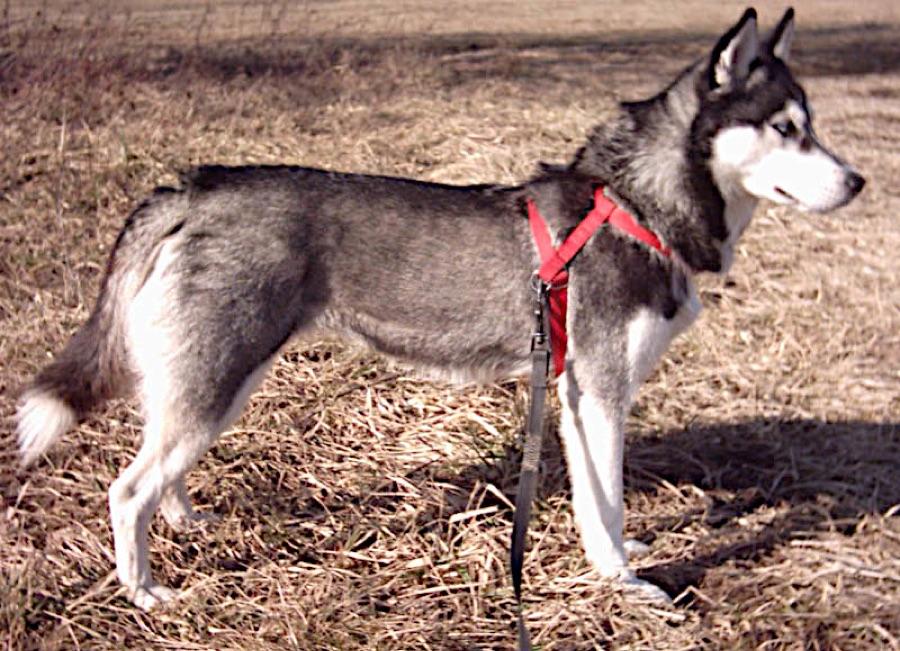
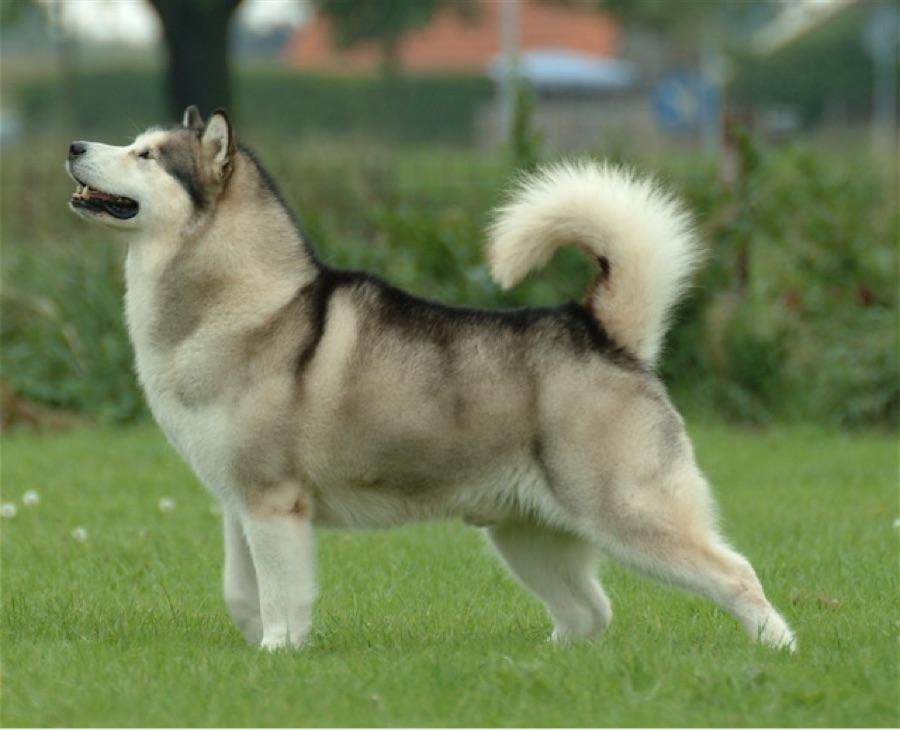
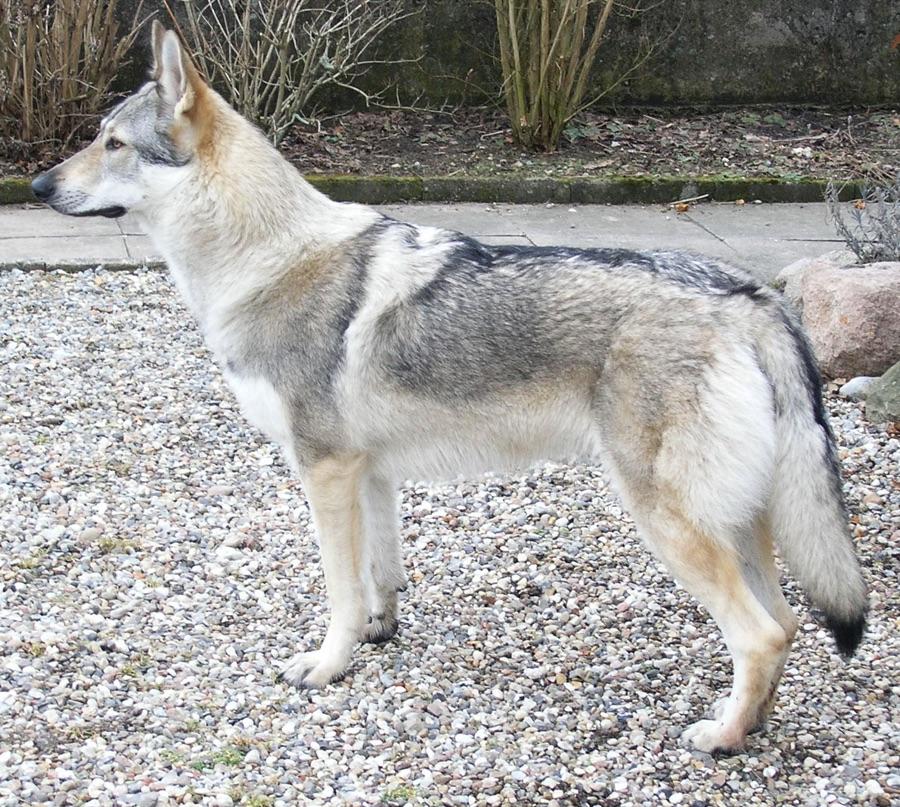
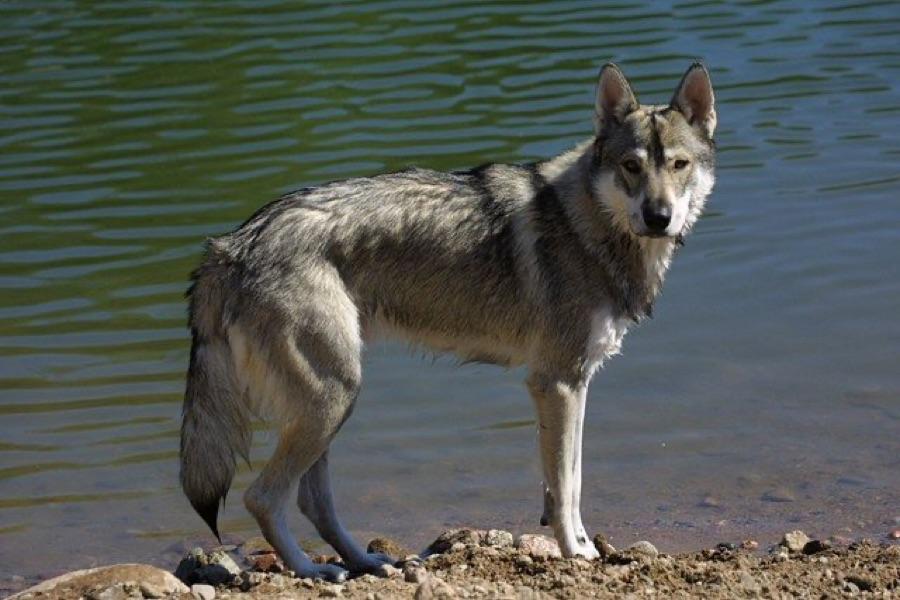
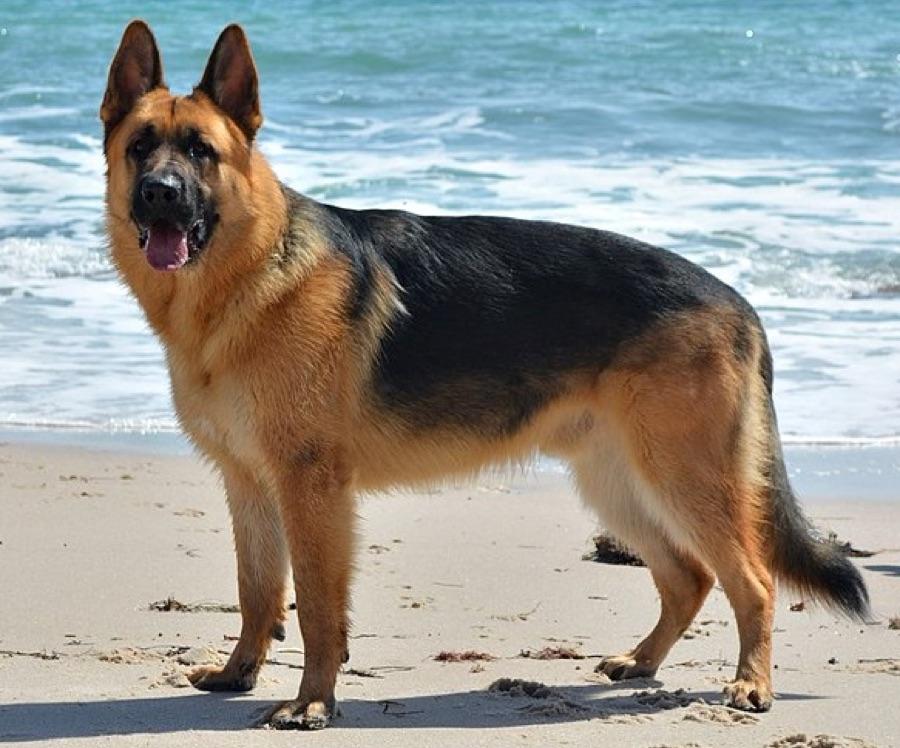
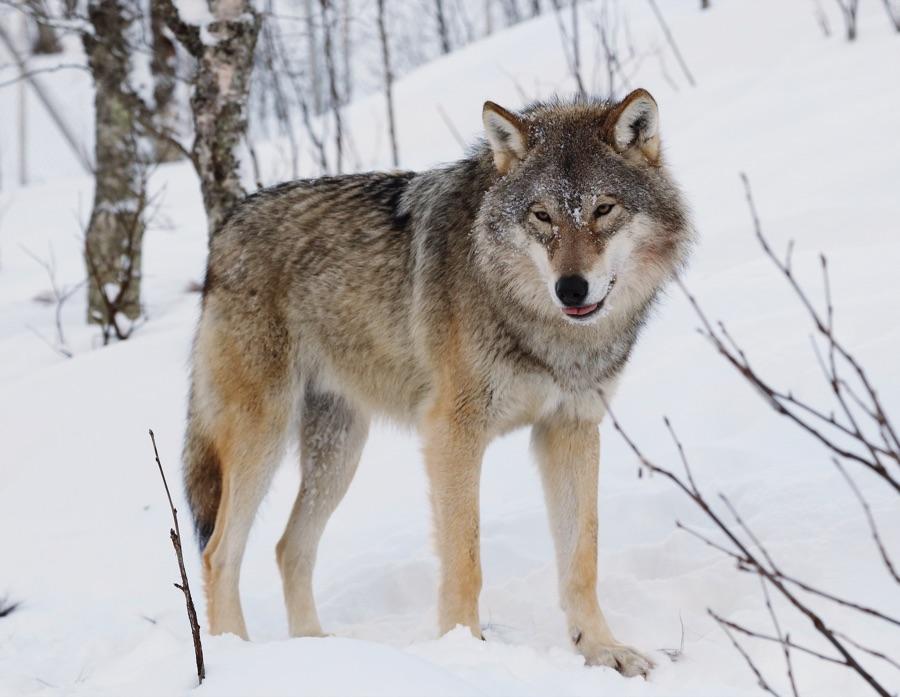
Dog vs actual wolf, quickly
Real wolves have longer legs, narrower chests, huge feet, yellow eyes, and a straight, low-carried tail. Domestic wolf-alikes almost always show a curled or raised tail, a wider chest, and blue or brown eyes (wolves never have blue eyes as adults). If a "wolf" is trotting through a suburb with a curled tail, it is a dog wearing the costume.
Husky vs Malamute, the classic mix-up
Size is the fastest tell: Malamutes are substantially heavier and broader. Then the eyes (blue is common in Huskies, disqualifying in Malamutes), the tail (Husky sickle vs Malamute plume carried over the back), and the build (Husky built for speed, Malamute for freight). Their personalities rhyme, but the frame does not.
Wolfdog hybrids, a word of honesty
Genuine wolf-content dogs exist and are frequently misjudged in both directions: high-content animals sold as "mostly dog", and ordinary Husky mixes surrendered as "wolfdogs". Content claims without paperwork are guesses. If you are evaluating an animal with claimed wolf ancestry, know your local laws first; several countries and US states restrict ownership.
For a found or shelter dog with the look, a photo identification plus the checklist above gives you the realistic answer, which is usually "northern breed mix", and that is a wonderful answer.

Identify a wolf-like dog with Dog & Puppy Breed Identifier
- Scan the dog from the side to capture build and tail carriage, then the face.
- Compare the top matches: Husky, Malamute, Shepherd, or a mix of them.
- Open each profile's "spot it by" features and check eyes, tail, and size.
- Ask the breed-aware chat what the match means for exercise needs; wolf-alikes are famously demanding.
About the author
Abdeljalil Bouchfar is an independent software engineer and the developer of Dog & Puppy Breed Identifier. He is not a veterinarian, doctor, or lawyer.