How to Identify a Snake by Photo (Safely and Accurately)
Updated July 27, 2026 · By Abdeljalil Bouchfar
A snake photo can be identified in seconds now, by AI trained on thousands of species. But the quality of the answer depends on the photo, and taking that photo safely is rule one. This guide covers both.
Safety first, always
Stay well beyond striking range, which for most snakes is about half their body length, and give yourself margin beyond that. Use your camera zoom instead of your feet. Never touch, corner, or move a snake for a better shot, and never assume a still snake is dead; that is a classic bite scenario.
The photo that gets the best ID
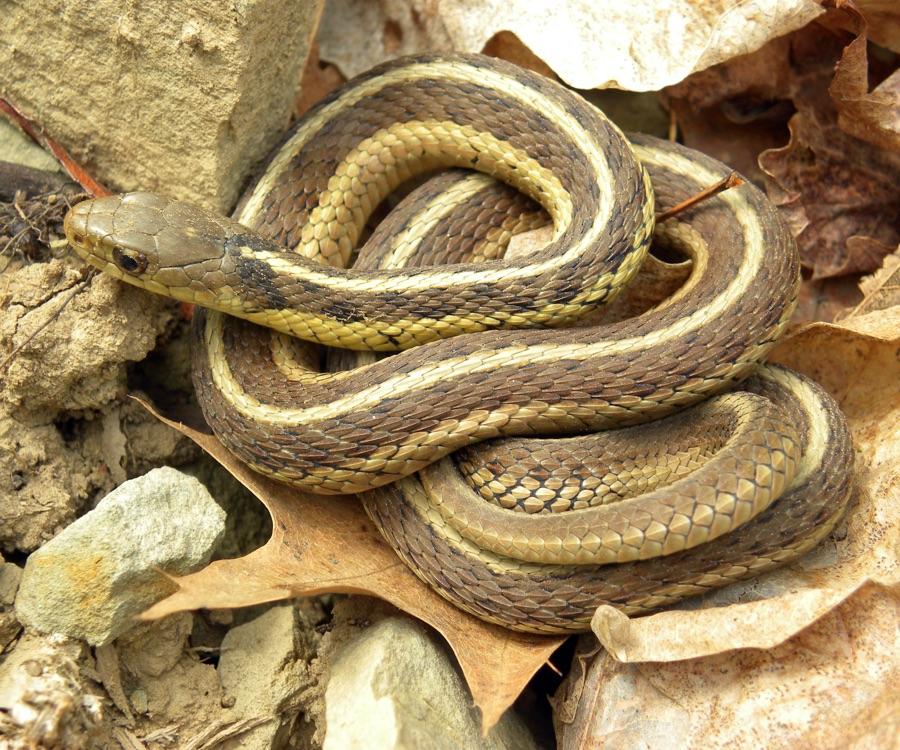
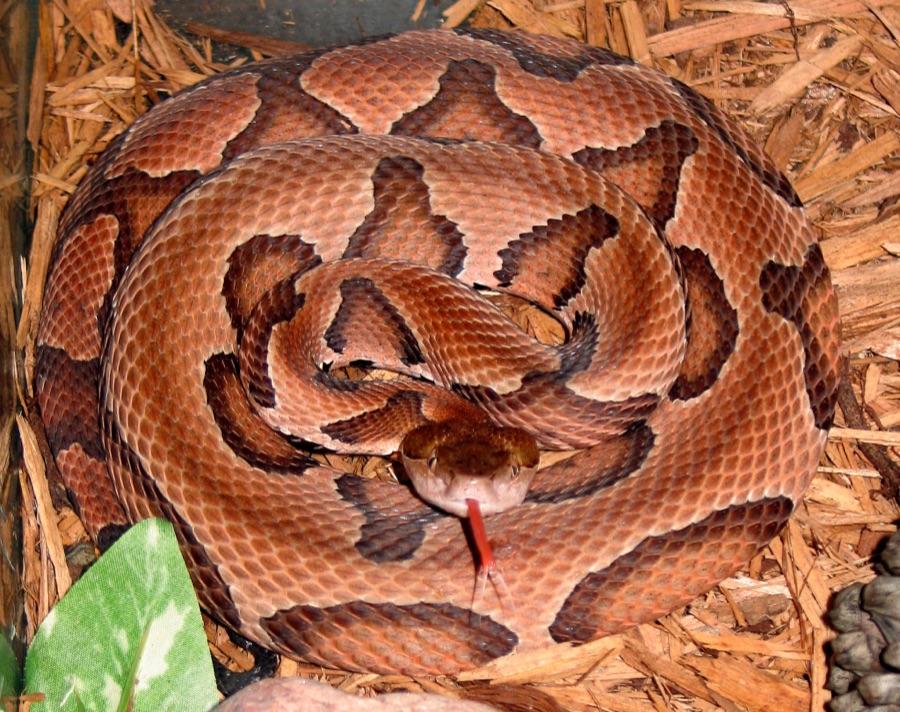
- Full body if possible: overall pattern and proportions carry the most information
- Top-down view of the back: dorsal pattern is the single most diagnostic feature
- Include the head if it is visible from your safe angle, but do not reposition for it
- Daylight or bright shade beats flash; flash washes out pattern
- Something for scale in frame helps (fence board, leaf litter), but never place an object near the snake
What the AI reads from your photo
Identification models weigh dorsal pattern (bands, blotches, stripes, checkers), scale texture and sheen, body build, head shape in context, and coloring, then match against regional species. You get the species plus a danger rating and habitat notes, which lets you sanity-check the result: a species that does not occur on your continent is a signal to rescan with a better angle.
Double-checking an important ID
When the answer matters, a snake near your kids' play area, for example, verify like a naturalist: does the species' range include your area, does the habitat fit, does the size fit? If the photo ID says harmless water snake but you are hundreds of meters from any water, rescan or treat it cautiously.
For a bite, skip all of this: emergency care first, identification later, from photos if any exist.

Scan it with Snake Identifier
- Photograph the snake from a safe distance, back pattern visible.
- Run the identification and read species, danger level, and habitat.
- Cross-check that the range and habitat match where you are.
- Save the encounter with a note; a yard log builds real local knowledge.
About the author
Abdeljalil Bouchfar is an independent software engineer and the developer of Snake Identifier: Venom Detect. He is not a veterinarian, doctor, or lawyer.
Safety note: never approach or handle an unknown snake to photograph it. Identification apps are decision support, not a guarantee. If someone is bitten, call emergency services immediately regardless of what any identification says.