How to Tell If a Snake Is Venomous (Myths vs Real Markers)
Updated July 27, 2026 · By Abdeljalil Bouchfar
There is one honest answer to this question and a pile of dangerous folklore. The folklore says you can read venom from head shape, pupil shape, or color. The honest answer: you identify the species, and the species tells you the danger.
Here is why the shortcuts fail and what actually works.
The myths, and why each one fails
- "Triangular head = venomous": many harmless snakes flatten their heads into triangles when threatened, and highly venomous coral snakes and mambas have narrow heads
- "Slit pupils = venomous": pupils respond to light, many harmless snakes have slits, and coral snakes have round pupils; also, if you can see the pupil you are too close
- "Bright colors = danger": harmless milk snakes mimic coral snakes; plenty of deadly species are plain brown
- "Rattle = rattlesnake": many harmless snakes vibrate their tails in dry leaves and sound convincingly like a rattle
What actually works: region + species
Venom is a species property, so the reliable path is knowing which medically significant species live where you are. Most regions have a short list. In the continental US it is rattlesnakes, copperheads, cottonmouths, and coral snakes. Europe has mainly vipers. Learn your local short list and what each actually looks like, and you have covered the risk that matters.
Everything outside your local short list is, by elimination, not a medical threat where you live. That single idea removes most snake panic.
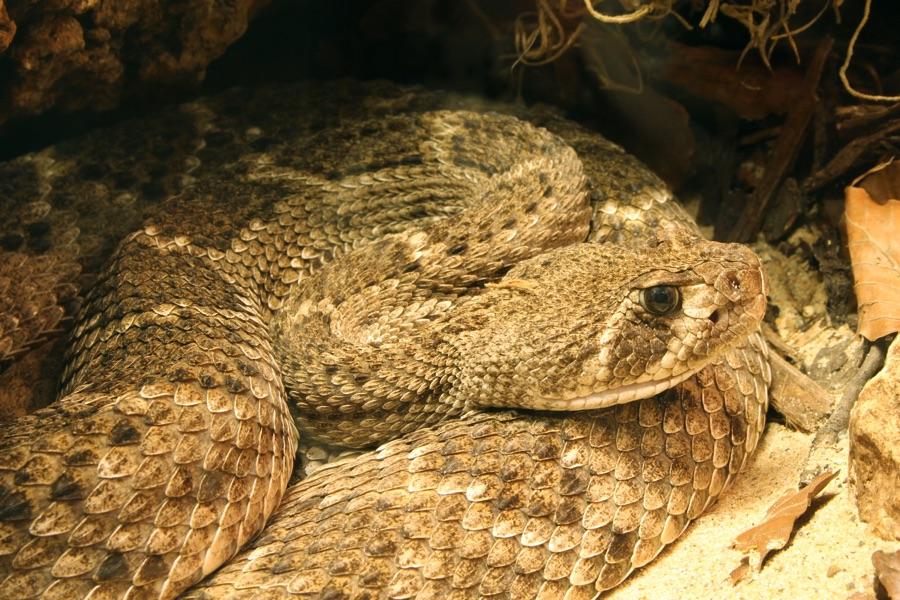
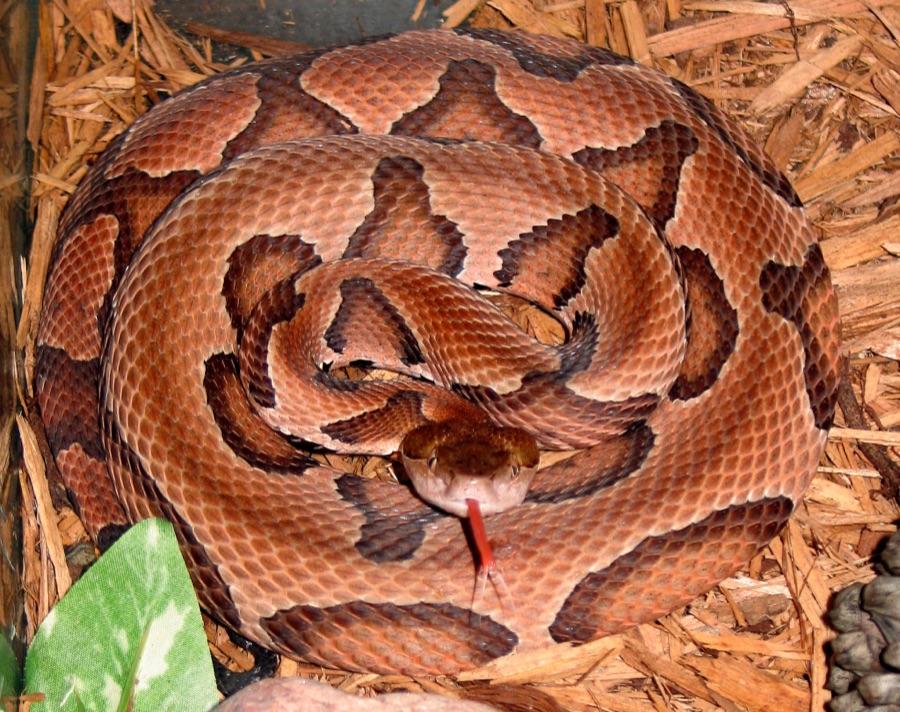
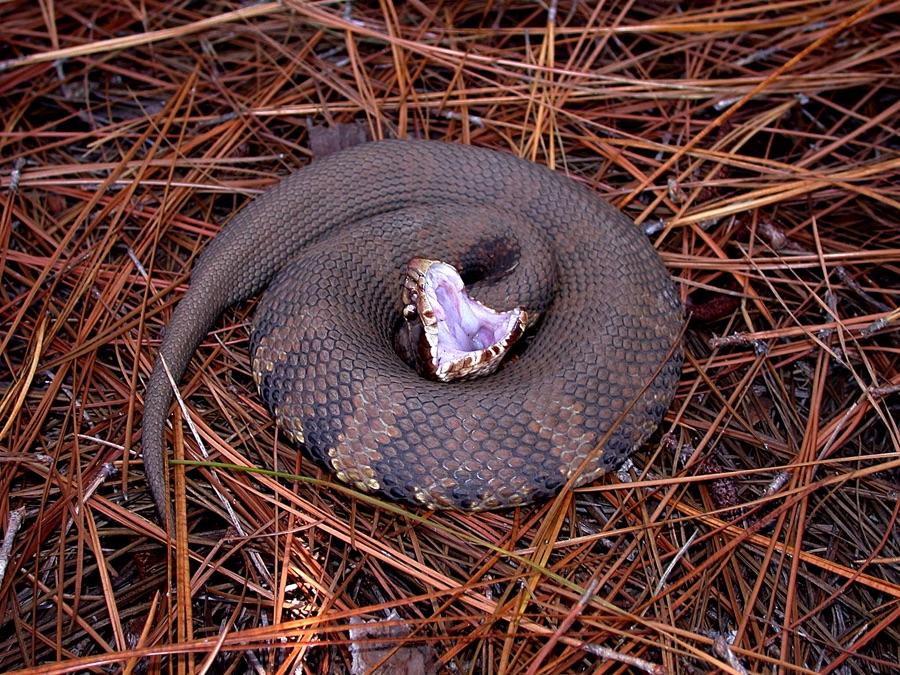
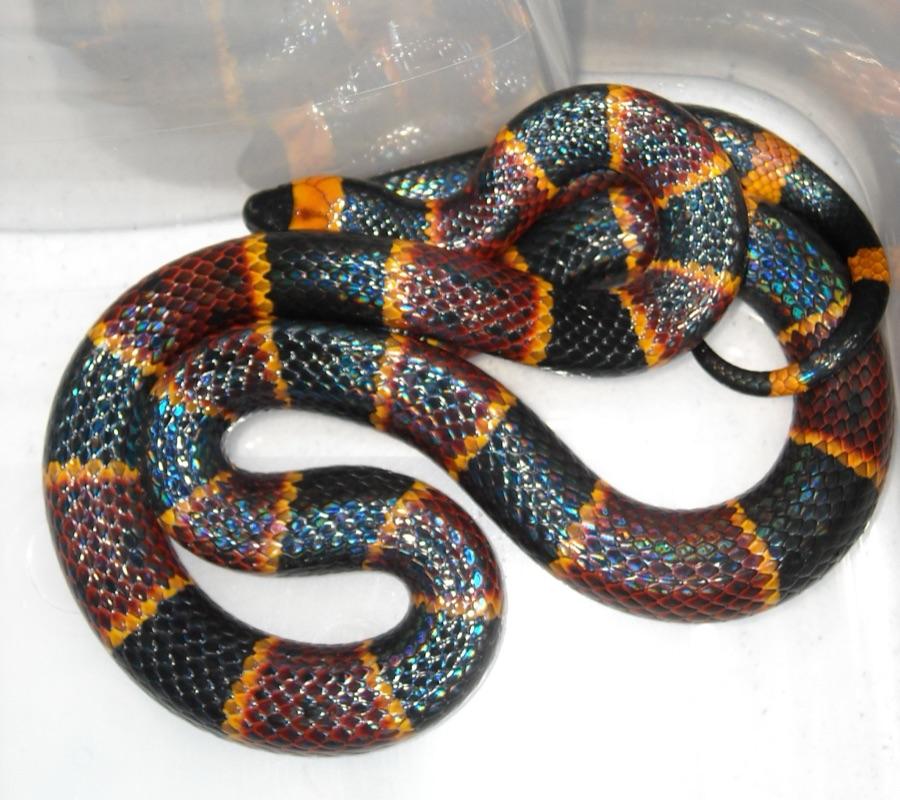
Species-level ID from a photo
This is exactly what photo identification is for: instead of you memorizing field marks, the AI matches pattern, build, and coloring against known species and returns the species with its danger rating: harmless, mildly venomous, or medically significant. From a photo taken at a safe distance, that is a faster and more reliable read than any folk rule.
When in doubt, behave as if venomous
The safety rule that never fails: keep distance from any snake you cannot confidently identify. Snakes do not chase people; bites overwhelmingly happen when someone approaches, handles, or tries to kill the snake. Stand back, zoom in, identify, and let it move on.
If someone is bitten by an unidentified snake, skip identification debates and get emergency care immediately. Hospitals do not need you to bring the snake.
Get the species and danger level with Snake Identifier
- From a safe distance, photograph the snake with the camera zoomed in.
- Read the species match and the danger rating.
- Open the species page for human risk, pet risk, and first aid guidance.
- Share the result with family so everyone knows what is in the yard.
Never approach a snake for a better photo. The AI works from distance shots.
Download Snake Identifier on the App StoreSources
- Venomous Snakes, CDC (NIOSH)
- Snake bites, MedlinePlus, US National Library of Medicine
- Poison Control, America's Poison Centers
About the author
Abdeljalil Bouchfar is an independent software engineer and the developer of Snake Identifier: Venom Detect. He is not a veterinarian, doctor, or lawyer, and the sources above are listed so you can check the claims yourself.
Safety note: never approach or handle an unknown snake to photograph it. Identification apps are decision support, not a guarantee. If someone is bitten, call emergency services immediately regardless of what any identification says.