Brown Recluse Look-Alikes: How to Tell What You Actually Found
Updated July 27, 2026 · By Abdeljalil Bouchfar
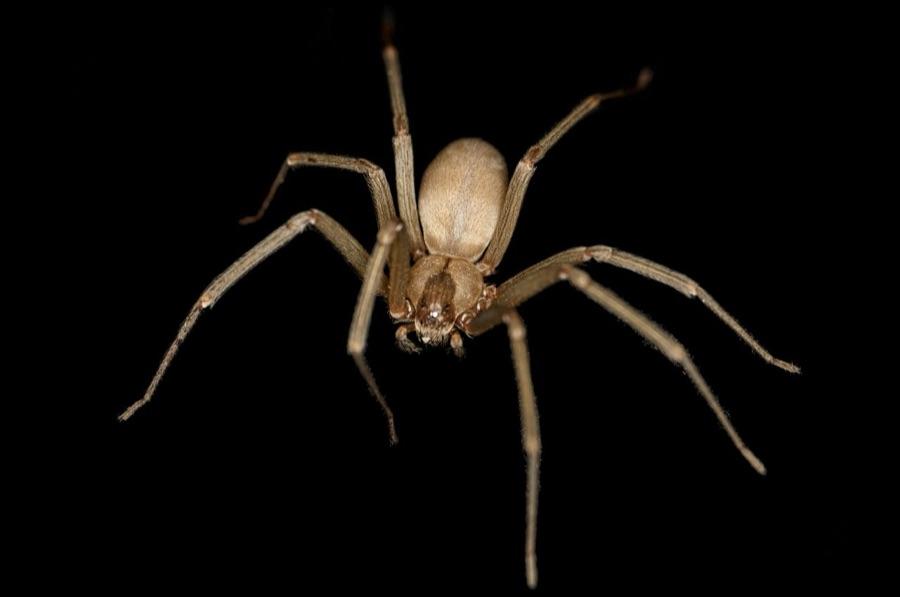
The brown recluse may be America's most over-reported spider. It is blamed in every state, including dozens where it has never established, and every brown spider with a vaguely violin-shaped mark gets the label.
Real recluse identification does not rest on the violin. Here are the checks that actually work, and the innocent spiders that keep taking the blame.
The three real checks
The famous violin marking is the weakest evidence: it is faint on many real recluses and "present" on many harmless species if you squint. Use it as a hint, never as proof.
- Six eyes in three pairs: recluses have six eyes arranged in a semicircle of pairs; almost all other spiders have eight. This is the definitive anatomical check, visible in a good macro photo
- Uniform legs: recluse legs are one plain color, no bands, no stripes, no spines; banded or spiny legs rule it out immediately
- Range: established populations live in the central and southern US (roughly Nebraska to Ohio, Texas to Georgia). Outside that map, a recluse is extraordinarily unlikely
The spiders that take the blame
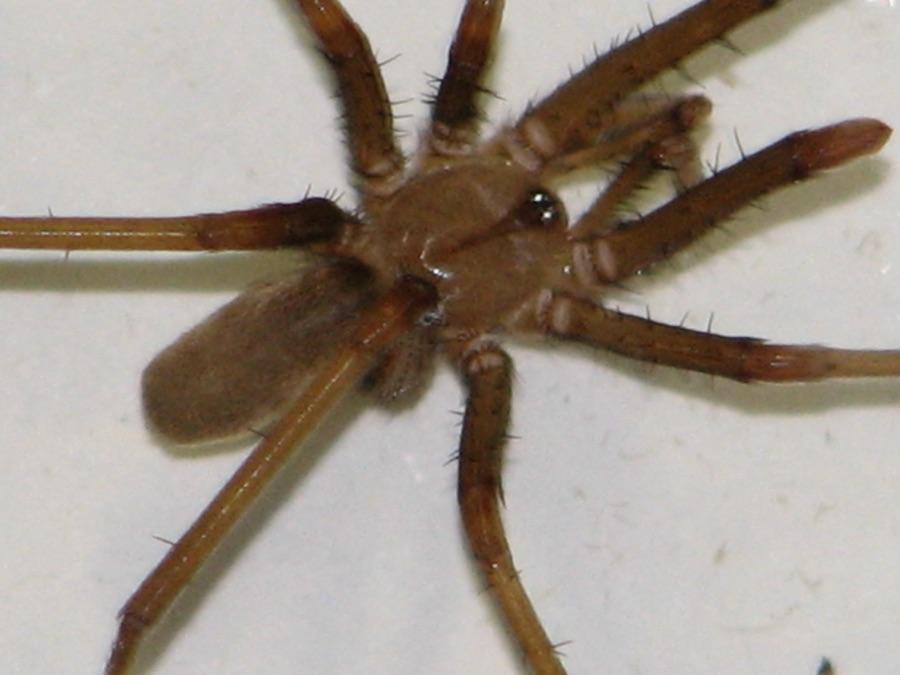
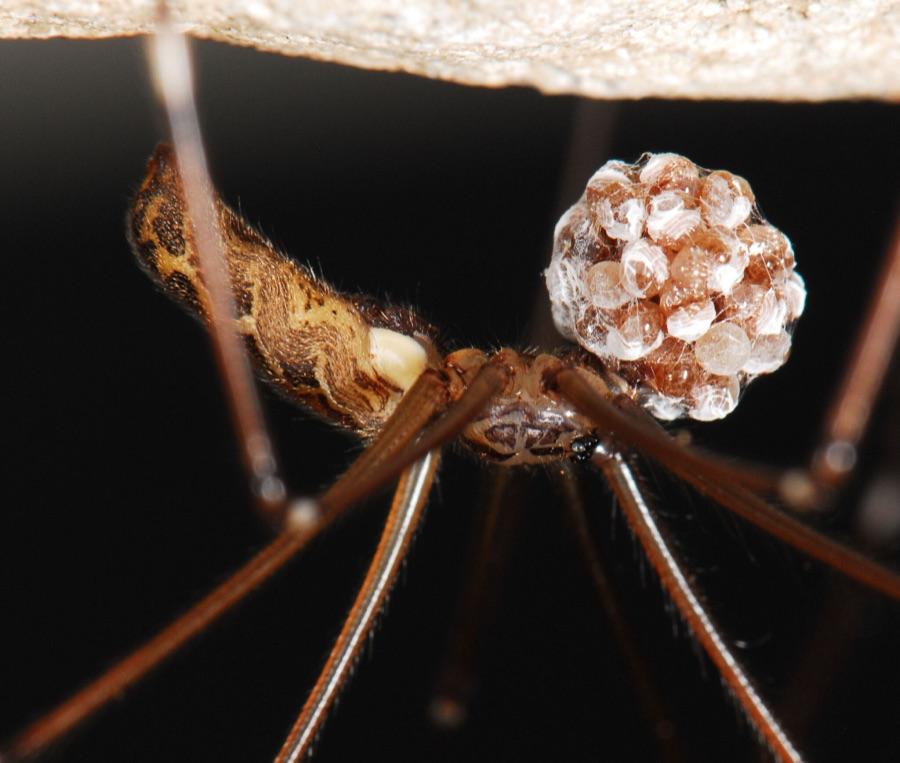
- Cellar spiders and common house spiders: brown, in your house, harmless
- Southern house spider: the classic false recluse; males look strikingly similar but have eight eyes and live in visible webs on walls
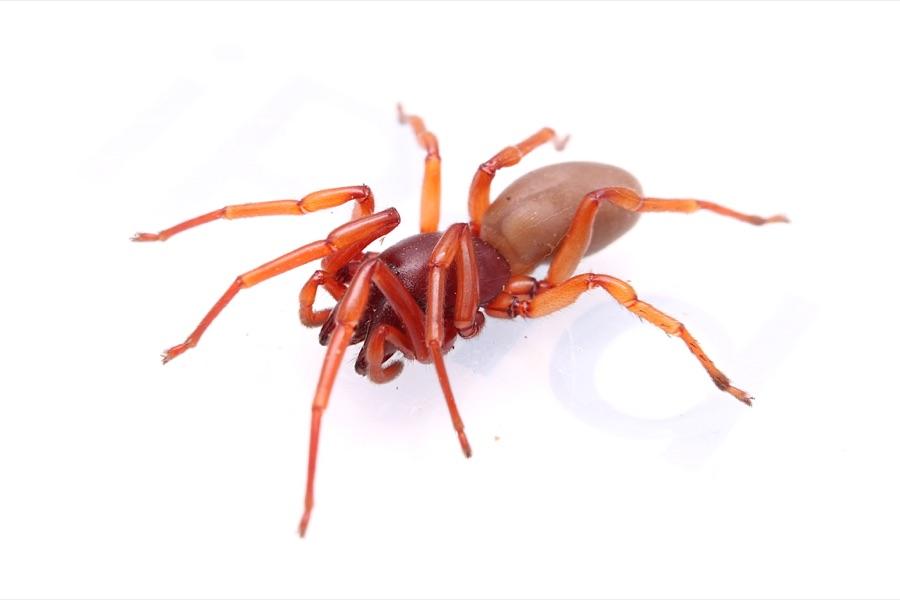
- Woodlouse spider: reddish and menacing-looking, mild bite at worst
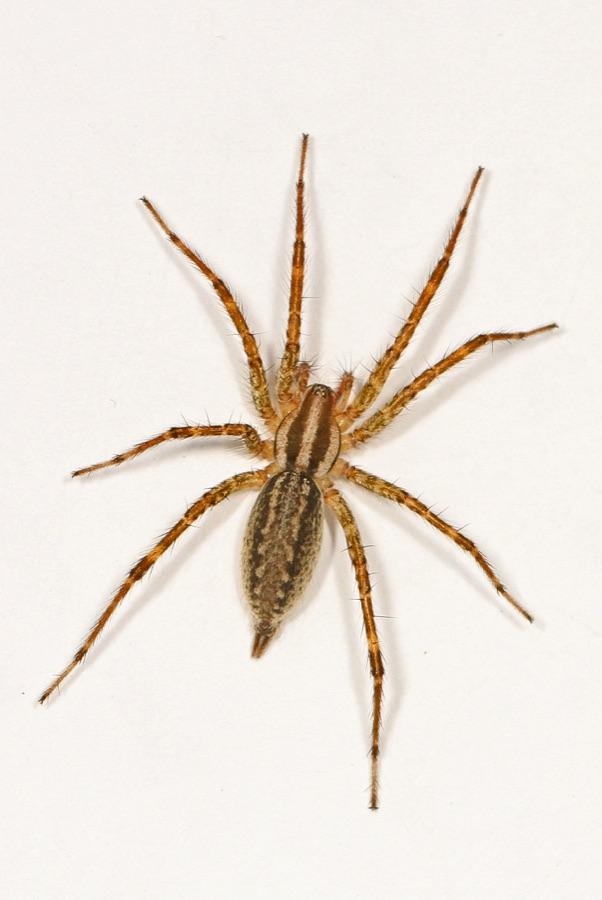
- Grass spiders and funnel weavers: fast brown spiders with visible leg bands, harmless
- Sac spiders: pale yellow-brown, responsible for some mild bites, not recluses
Recluse behavior is a clue too
The name is accurate: recluses avoid people, open rooms, and daylight. They live in undisturbed cardboard boxes, storage closets, attics, and wall voids, and they do not sit in the middle of your bathroom wall at noon; the spiders doing that are almost always house spiders. Encounters happen when a hand goes into stored fabric or boxes, which is why the classic advice in recluse country is: shake out stored clothes and gloves.
Let the photo settle it
A top-down photo plus AI identification weighs all of these features at once, pattern, legs, proportions, and matches against real reference species rather than fear. If the verdict is recluse and you are in range, take it seriously: reduce clutter, seal boxes with tape, and shake out stored items. If it is a look-alike, save yourself the exterminator bill.

Check your spider with Spider Identifier
- Photograph the spider top-down, legs in frame, as sharp as you can get.
- Run the identification and read the species and danger verdict.
- Cross-check the two anatomy rules yourself: plain legs, and six eyes if your photo shows them.
- Confirm the range on the species page before concluding recluse.
Sources
- Venomous Spiders, CDC (NIOSH)
- Insect bites and stings, MedlinePlus, US National Library of Medicine
About the author
Abdeljalil Bouchfar is an independent software engineer and the developer of Spider Identifier: Venom ID. He is not a veterinarian, doctor, or lawyer, and the sources above are listed so you can check the claims yourself.
Safety note: identification apps are decision support, not a medical opinion. If a bite shows spreading pain, an open wound, or fever, or you suspect a widow or recluse, seek medical care promptly.