Wolf Spider vs Brown Recluse: How to Tell Them Apart Fast
Updated July 31, 2026 · By Abdeljalil Bouchfar
Both are brown, both show up indoors, and one of them is harmless while the other is the most feared spider in America. The good news: wolf spiders and brown recluses are easy to separate once you know which five features to check, and most "recluse" sightings turn out to be wolf spiders.
Side by side
| Feature | Wolf spider | Brown recluse |
|---|---|---|
| Body size | Large, up to 3-4 cm of body | Small, under 1 cm |
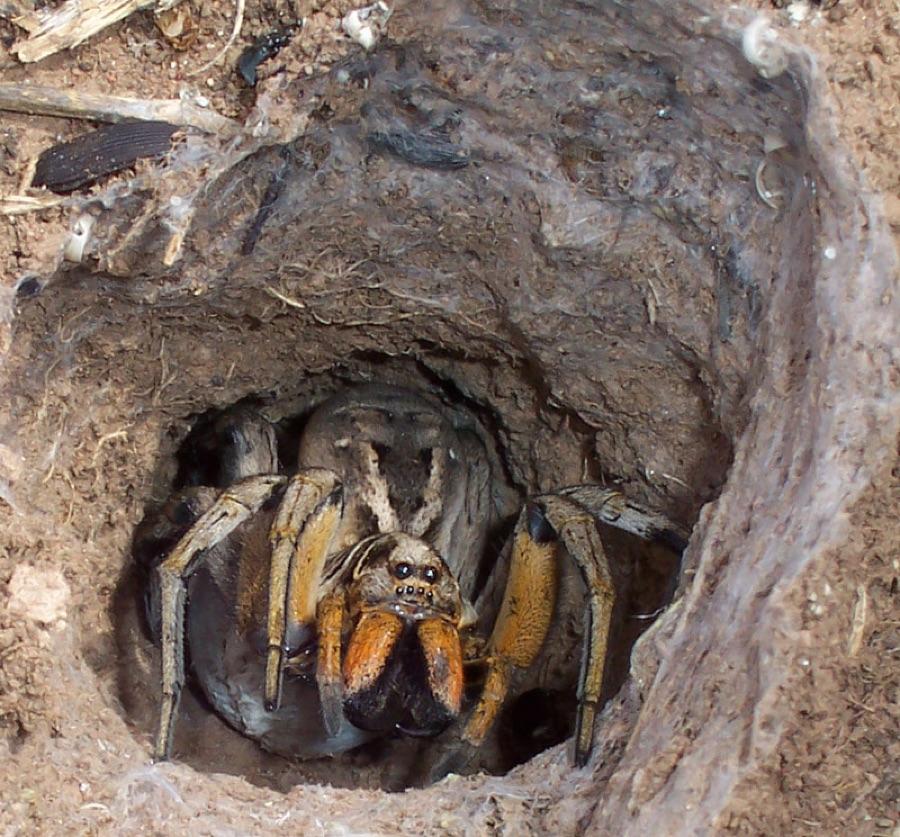
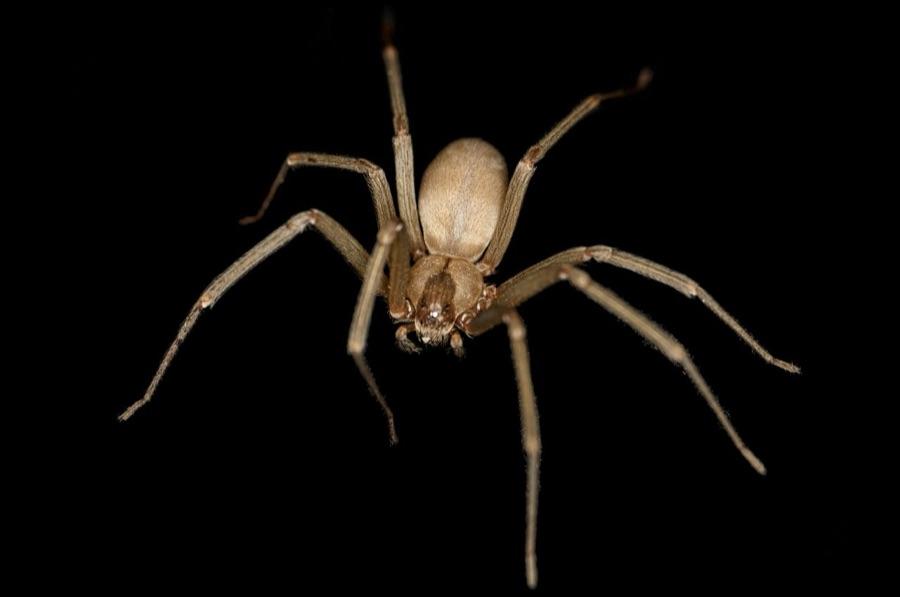
| Body texture | Visibly hairy and robust | Smooth and slim |
| Legs | Thick, banded or patterned, with spines | Thin, one uniform color, no bands, no spines |
| Eyes | Two big headlight eyes in front, glow at night | Six small eyes in three pairs |
| Behavior | Sprints and hunts in the open | Creeps along walls, hides in undisturbed storage |
| Violin mark | Mottled pattern often misread as a violin | Often faint, the least reliable check |
| Range | Everywhere | Roughly Nebraska to Ohio and Texas to Georgia |
| Risk to you | Harmless; a rare defensive bite is bee-sting level | Medically significant |
The five checks
- Size: wolf spiders are usually much bigger, up to 3-4 cm of body; a recluse body stays under 1 cm, roughly a coin's center
- Hair: wolf spiders are visibly hairy and robust; recluses look smooth and slim
- Legs: wolf spider legs are thick, banded or patterned, with spines; recluse legs are thin, one uniform color, no bands, no spines
- Eyes: wolf spiders have two big headlight eyes in front (their eyeshine glows at night); recluses have six small eyes in three pairs
- Speed and behavior: wolf spiders sprint and hunt in the open; recluses creep along walls and hide in undisturbed storage
The violin mark will fool you
The famous violin on the recluse's back is the least reliable check: it is faint on many real recluses, and wolf spiders' mottled patterns get read as violins by worried eyes. Judge by legs, eyes, and size, not by squinting for musical instruments.
What each one means for your home
A wolf spider indoors is a lost hunter, not an infestation; it does not build webs or settle in. It is harmless (a rare defensive bite is bee-sting level). Cup, card, release outside; it wants out as much as you want it out.
A confirmed recluse in recluse range (central and southern US) means a habitat conversation: reduce clutter, seal stored boxes with tape, shake out stored clothes and gloves, and keep beds away from walls in storage-heavy rooms. Bites are rare even in infested houses, but respect is due.
Range does half the work
Wolf spiders live everywhere. Established brown recluse populations do not: outside their core range (roughly Nebraska to Ohio and Texas to Georgia), the recluse explanation is nearly always wrong. If you live in, say, California or New England, the big brown spider in the garage is not a brown recluse, and the identification odds run heavily toward wolf spider or another harmless local.

Settle it in seconds with Spider Identifier
- Photograph the spider top-down; get the legs and body proportions in frame.
- Read the species and the danger verdict.
- Cross-check the two decisive features yourself: banded hairy legs (wolf) vs plain thin legs (recluse).
- Confirm the range on the species page before concluding recluse.
Sources
- Venomous Spiders, CDC (NIOSH)
- Insect bites and stings, MedlinePlus, US National Library of Medicine
About the author
Abdeljalil Bouchfar is an independent software engineer and the developer of Spider Identifier: Venom ID. He is not a veterinarian, doctor, or lawyer, and the sources above are listed so you can check the claims yourself.
Safety note: identification apps are decision support, not a medical opinion. If a bite shows spreading pain, an open wound, or fever, or you suspect a widow or recluse, seek medical care promptly.