Is This Spider Dangerous? The Honest Answer for Worried Finders
Updated July 27, 2026 · By Abdeljalil Bouchfar
You found a spider, it looks menacing, and you want a straight answer. Here it is: in the United States, only two spider groups are medically significant, widow spiders and recluse spiders. Every other spider you meet is harmless to you or at worst a mild, short-lived irritation.
That fact shrinks the problem enormously. You do not need to identify every spider; you need to rule out two.
The two that matter
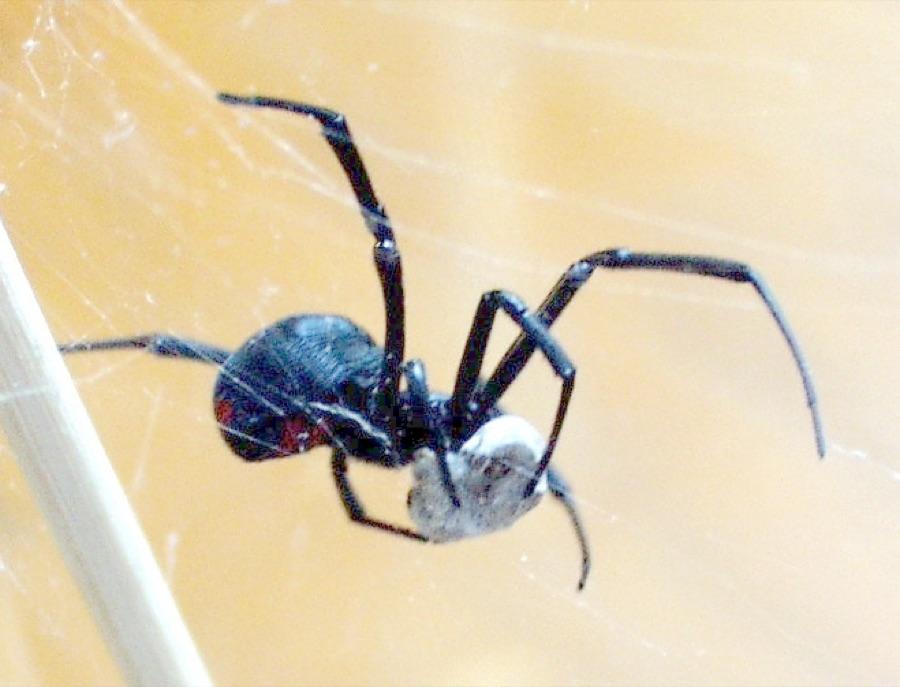
Widows (black widow and relatives): glossy black, round-bodied spiders with a red hourglass under the abdomen. They build messy, strong webs in dark corners, wood piles, meter boxes, and garage clutter. Bites are rare and rarely fatal with modern care, but they are a medical event.
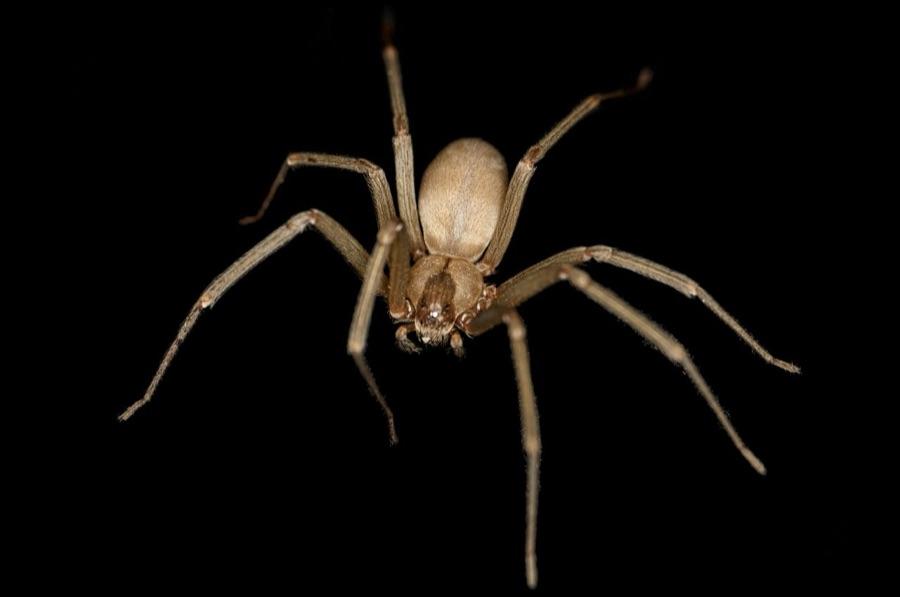
Recluses (brown recluse and relatives): slim brown spiders with uniform-colored legs and six eyes in three pairs. They live in undisturbed storage, boxes, attics, and only in specific regions (central and southern US). Most "recluse sightings" outside that range are misidentifications.
The scary-looking ones that are fine
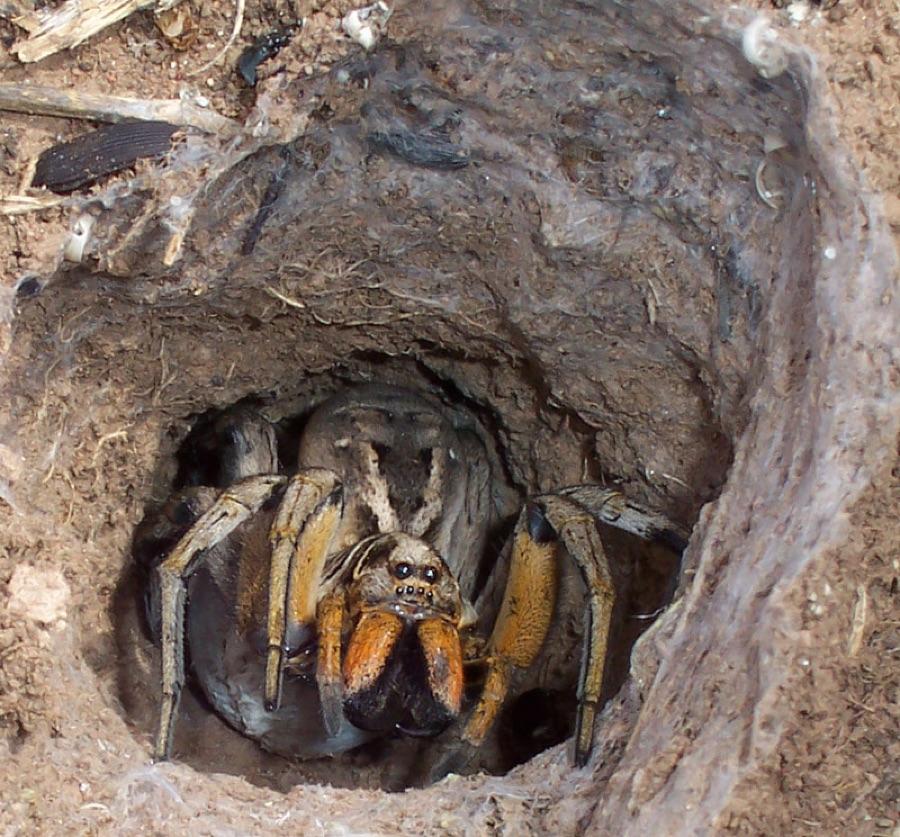
- Wolf spiders: big, hairy, fast, and harmless; they do not even build webs
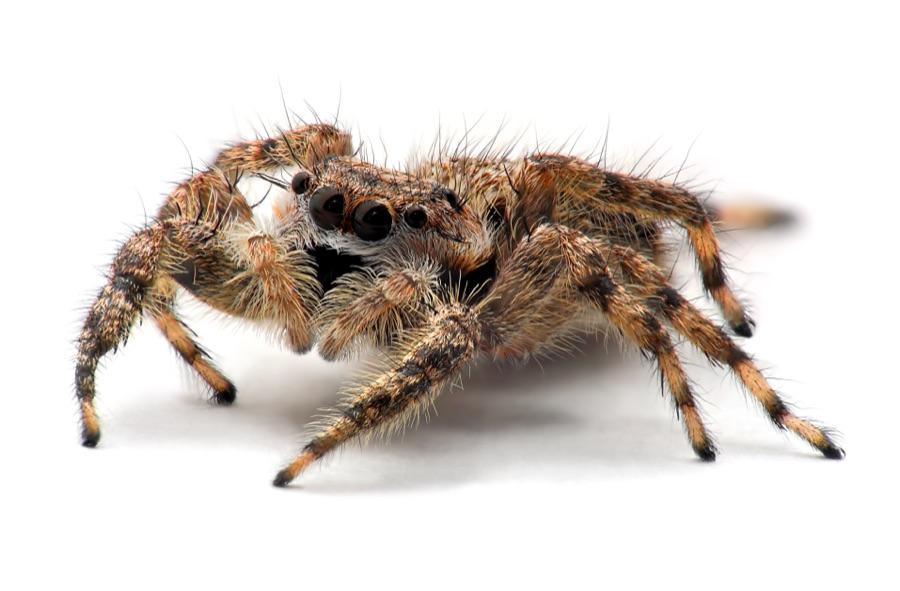
- Jumping spiders: fuzzy, curious, harmless, arguably charming
- Orb weavers: the big garden spiders in wheel webs; docile and beneficial
- House spiders and cellar spiders (daddy long-legs): the myth about their deadly venom is fully false
- Tarantulas kept in or escaping from the pet trade: dramatic, but US species are not medically significant
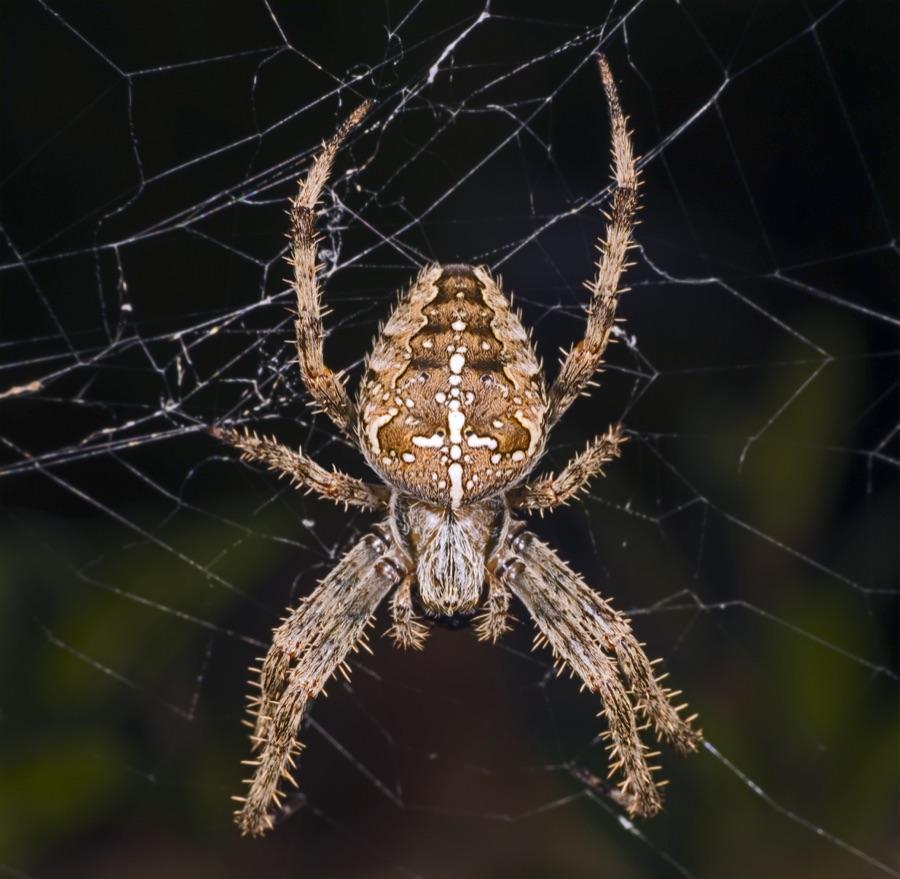
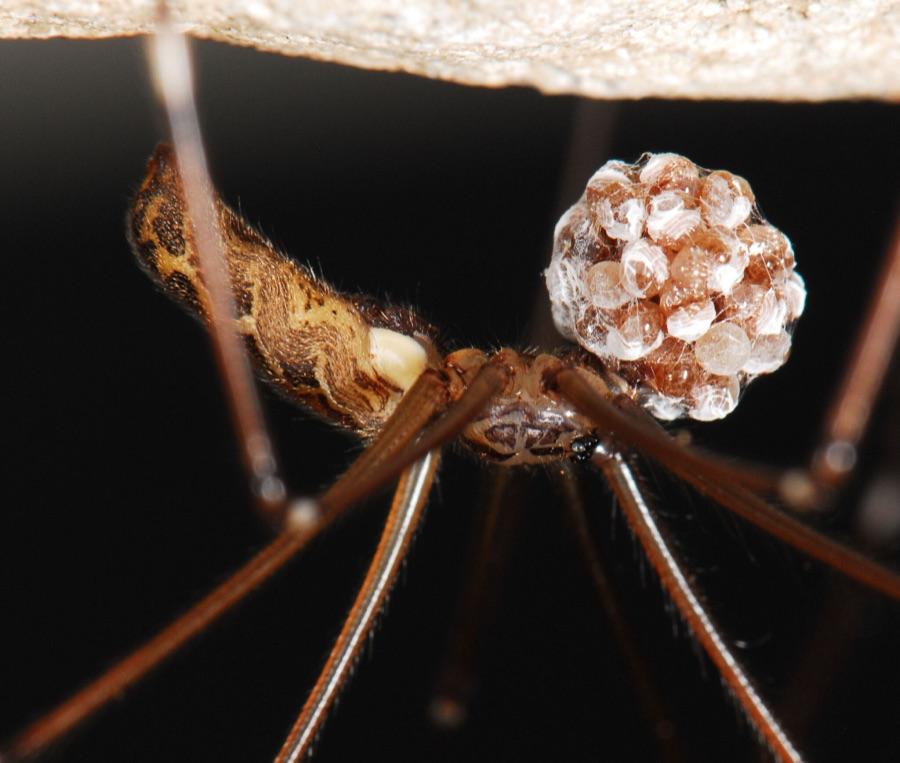
Size and hairiness mean nothing
Human fear keys on size, hair, and speed. Venom does not correlate with any of those: the dangerous widow is small and shy, while the terrifying wolf spider is harmless. This mismatch is why photo identification beats gut feeling; the AI keys on the anatomy that matters instead of the drama.
Get the verdict, then act calmly
Photograph the spider from above and identify it. If it is one of the 99 percent, relocate it with a cup and paper or leave it; house spiders eat mosquitoes and flies. If it is a widow or recluse, do not handle it: vacuum or crush from distance if you must, then address the habitat, clutter, dark corners, and gaps, because where there is one there is usually habitat for more.

Get the danger verdict with Spider Identifier
- Photograph the spider from above, no need to get close.
- Read the species and the plain-language verdict: should you worry or not.
- Open the safety profile for bite facts and pet risk.
- Save it to your collection; knowing your regulars removes future panic.
Sources
- Venomous Spiders, CDC (NIOSH)
- Insect bites and stings, MedlinePlus, US National Library of Medicine
- Poison Control, America's Poison Centers
About the author
Abdeljalil Bouchfar is an independent software engineer and the developer of Spider Identifier: Venom ID. He is not a veterinarian, doctor, or lawyer, and the sources above are listed so you can check the claims yourself.
Safety note: identification apps are decision support, not a medical opinion. If a bite shows spreading pain, an open wound, or fever, or you suspect a widow or recluse, seek medical care promptly.